Transitions
What happens between two scenes.
 CutOne scene replaces the other at once, on the beat.
 RelayThe setting changes at once, half-way, while the carried element travels from one scene to the next without leaving the screen.
 Feathered cutA cut you do not feel: right around it the picture loses a little of its sharpness and gains a little brightness, then all is back.
 FlashA short veil of light makes the change.
 Cut on actionThe scene sets off to one side, gathering speed; the cut falls in mid-move and the next scene finishes the gesture: one movement is all you see.
 Zoom match cutThe picture rushes at the camera, the cut falls while it grows and the next scene arrives still moving, from further away: one burst of zoom for two scenes.
 Shape match cutYour colour closes the picture down to a shape (a circle, a square, a bar); for an instant only the shape is left, then it opens again on the next scene.
 Subject to subjectThe picture rushes to bring its subject to an exact place and size; the cut falls, and the next scene's subject is right there, the same size, before it goes back to its own place. The eye has not moved.
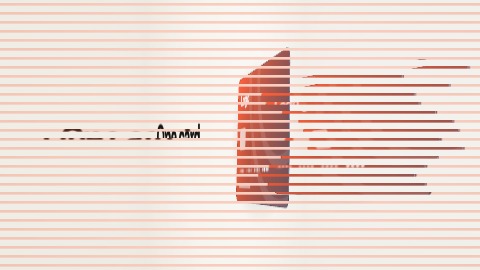 JoltJust before the cut, three split-second pictures of the next scene, in its own colours: stretched wide and smeared sideways, the scene that leaves still showing through; then squeezed to a third of its width and chopped by thin bars, then at its size in a coarse grain. It then lands a touch too large, and settles.
 ProMarbleA marble in your colour drops onto the scene's subject and squashes: the cut falls on the impact, the marble stays where it is while everything changes around it, then it hops to the next scene's subject and vanishes into it. It can be a tile or a ring.
 ProFixed pointA dot in your colour settles on one place of the screen and stays there: the scene rushes towards it, the next scene shows first inside the dot, as through a porthole, then takes the whole screen drawing back round the same point, the dot still in the same place and the same size. Then it melts away.
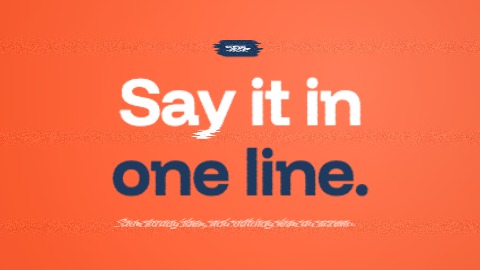 Fast forwardThe cassette fast-forwards: bands of noise race down the picture, tearing it, then the next scene starts and the picture rolls once before it settles.